🌟Helpful Tips for Making Homemade Hummus 🌟
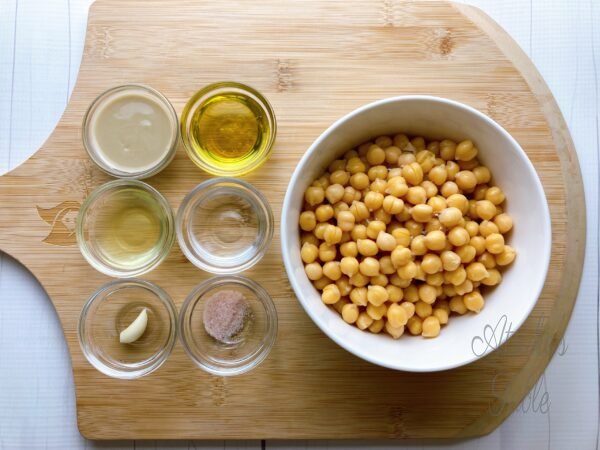
⭐️ What Is Tahini?:Tahini is a paste made from ground sesame seeds and is widely used in Middle Eastern cooking. It gives hummus its signature nutty flavor, rich taste, and smooth texture.
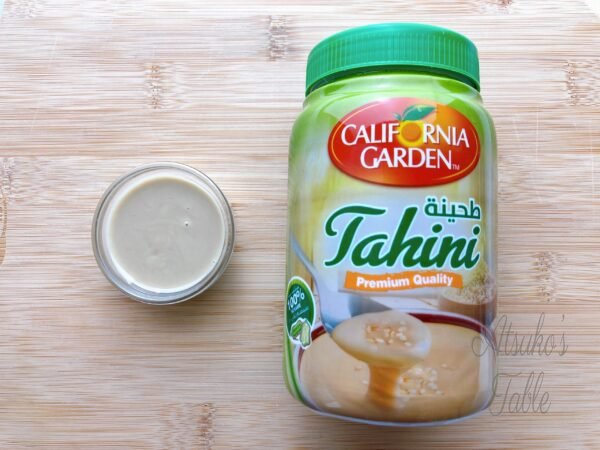
⭐️ No Tahini? No Problem!: Tahini is traditionally used in hummus, but when I first made this recipe, I didn't have any at home. Instead, I used ground sesame seeds and olive oil, and the result was still delicious.
As a guide, use 2 tablespoons of ground sesame seeds and 1–1½ tablespoons of olive oil. You can blend them directly with the other ingredients or lightly crush the sesame seeds beforehand. So if you can't find tahini, don't worry—you can still make a wonderful homemade hummus.
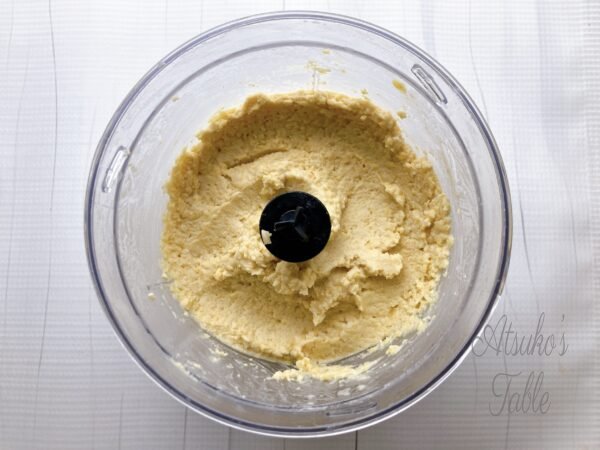
⭐️ For an Extra Creamy Hummus: If you have a little extra time, try removing the skins from the chickpeas before blending. It takes a few minutes, but it makes the hummus incredibly smooth and creamy. That said, I usually leave the skins on. The texture is still delicious and gives the hummus a more homemade feel.
⭐️ Make It Your Own: One of the best things about homemade hummus is how easy it is to adjust the flavor.
- Add a little more lemon juice for a fresher, brighter taste.
- Add extra tahini for a richer, nuttier flavor.
- Reduce the olive oil if you prefer a lighter hummus.
Feel free to experiment and find the balance you enjoy most.
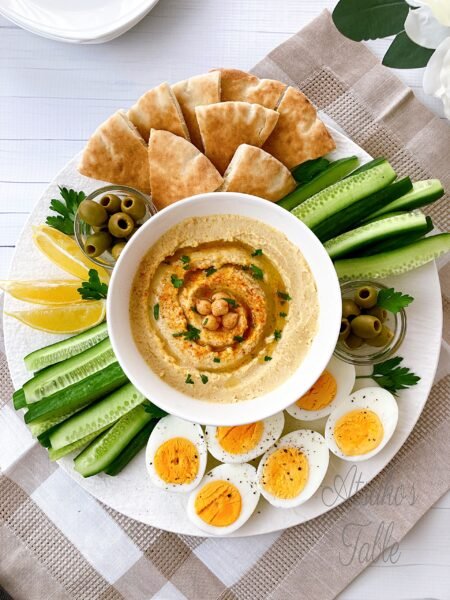
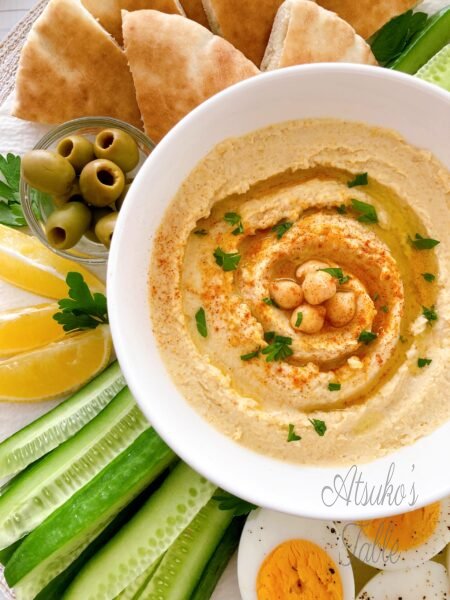
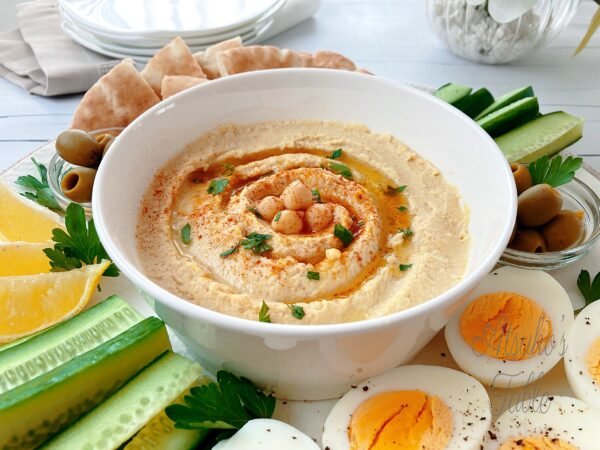
⭐️ Ways to Enjoy Hummus: Hummus is much more than a dip. It can be served in many different ways. For the photos in this post, I served it with cucumber slices, hard-boiled eggs, and Arabic bread warmed in a frying pan. The bread pairs beautifully with hummus and adds a Middle Eastern touch to the plate. You can also enjoy hummus with a baguette, crackers, or your favorite bread. It makes a wonderful side dish for grilled chicken or lamb, and it can even be used as a spread for sandwiches and wraps.

 Easy Homemade Hummus with Canned Chickpeas